

Network infrastructure, energy, and the economics of block-space security
Mining-related themes on Realwealthbit are written for people who know the difference between a headline “hash rate” number and a sustainable operating model. The vertical covers digital-asset network participation, hosting and compute economics, and the operating leverage inherent in power contracts and machine refresh cycles.
Validators and miners provide security and ordering for open networks. Economics follow from energy cost, equipment efficiency, and fee markets—not slogans.
Margins compress when difficulty rises faster than price, or when hosting terms leave you exposed to curtailment and maintenance queues.
The platform keeps accrual, balances, and tickets in a single control plane—so “mining” plans read like what they are: a sleeve with explicit terms.
A serious treatment of a serious cost stack
Digital-asset mining is not “passive income” in the way retail marketing often pretends. It is a business with receivables in volatile coins, payables in fiat energy, and a depreciation curve on hardware that does not care about your feelings about the next halving. Our mining service copy reflects that. Where a plan is positioned as network-infrastructure or compute-adjacent, we say so plainly; where it is a convenience wrapper around a standardized yield format, the documentation states the pattern so you are not left inferring from a logo.
That posture carries through the interface. You should see the same event cadence, the same accrual reporting, and the same support escalation paths you rely on elsewhere in Realwealthbit—because operational seriousness is a single platform property, not a per-vertical gimmick.
Curtailment, time-of-day pricing, and renewable participation change the real cost curve—often more than a headline tariff. Plans that lean on this channel call it out.
Uptime, repair latency, and fleet mix determine realized hash—not brochure specs. The narrative stays technical where technical truth matters to outcomes.
Protocol changes, fee pressure, and jurisdictional treatment can re-rate economics quickly. The desk language avoids “set-and-forget” comfort where it is not earned.
Where custody and hand-off points matter, we are explicit, because nothing undermines an infra thesis faster than ambiguous settlement language.
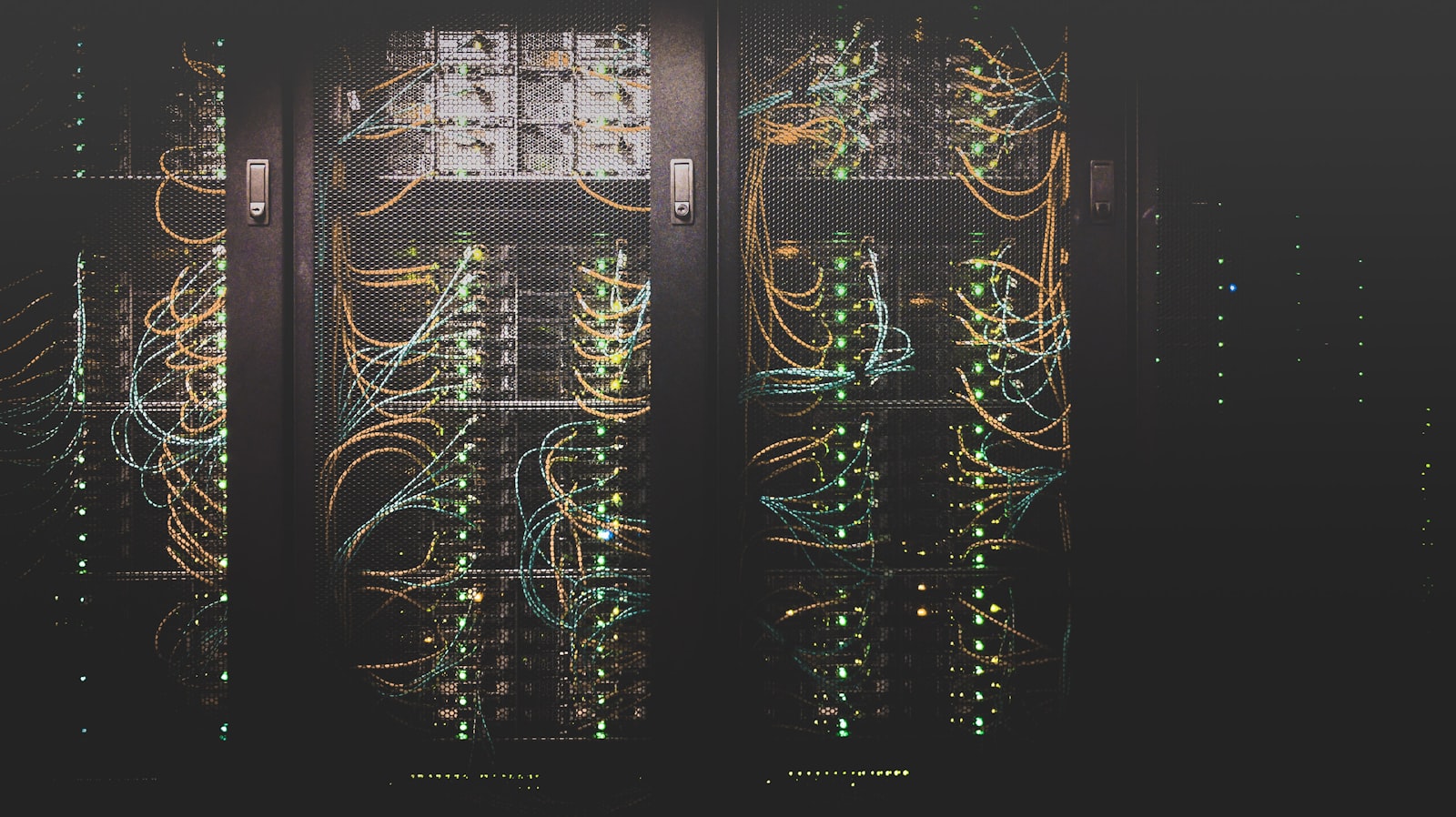
The margin is not only in the coin—it is in the op-ex line.
That is the standard our mining narrative holds itself to.
How this shows up in product
You should expect mining-themed plans to be described with the same structure as the rest of the book: a clear accrual hook, a stated horizon or cadence, and a risk section you can read in one pass. The dashboard is not a separate app; the wallet and ledger are not forked. If something looks anomalous relative to the documentation, the same ticket flow applies—so issues get triaged on substance, not on which vertical badge you pressed.
- One identity, one set of security controls, one transaction history you can actually audit.
- Accrual and balances presented with the same time-series discipline as the rest of your book.
- Support paths that can escalate with context—because the failure modes here are often operational, not “chart-related.”
Risk in plain terms
Not investment advice. A concise set of the shocks digital-mining and network themes are exposed to—so you can ask sharper questions on any plan page.
- 01 Price & difficulty dynamics. Coin price, network difficulty, and fee income can move against opex in ways that stress thin margins.
- 02 Energy & host counterparty risk. Curtailment, contract resets, and maintenance SLAs are real; read them in the same spirit you read a hosting agreement.
- 03 Regulatory & protocol risk. Jurisdictions evolve; networks change. Positions can re-rate quickly on non-price news.
From thesis to position
Separate headline hash from load factor, power terms, and maintenance reality.
Match ticket size to how quickly you can adjust if conditions reverse.
Track accrual and history alongside your other sleeves—context beats silos.
Refresh when halving, fee, or energy regimes change the post-tax outcome.
Related verticals
Complementary sleeves—one execution stack, many macro channels.